
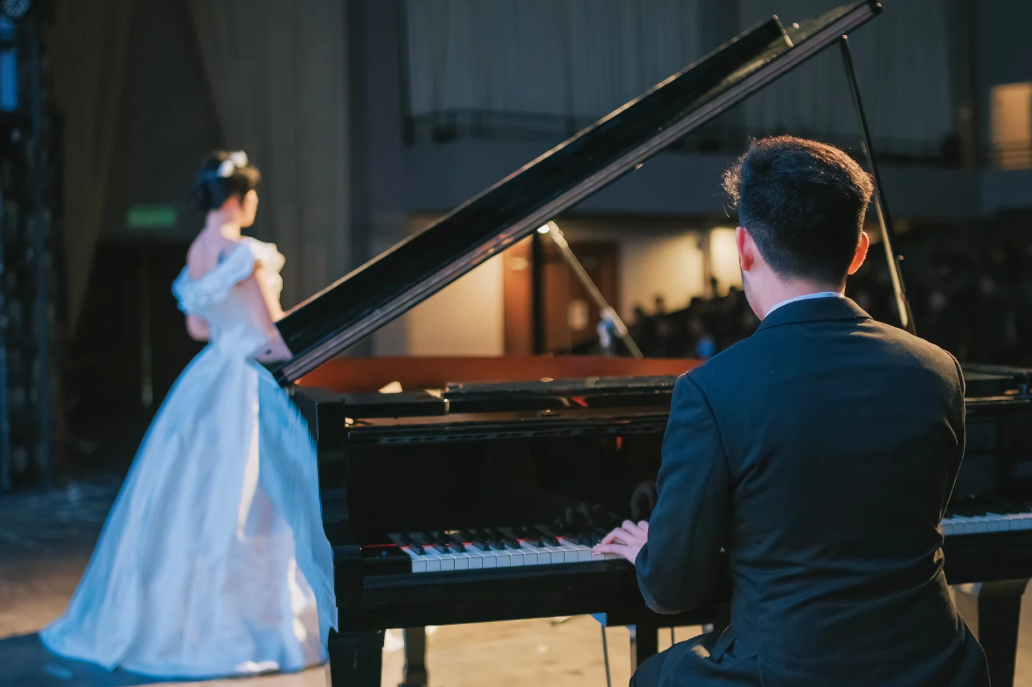
Bring Italian Studies expertise into your program, studio, or production
Specialist Italian language, linguistics, literature, and text preparation for conservatories, universities, opera programs, summer intensives, voice studios, and productions.
Italian vocal repertoire asks singers to work across several disciplines at once.
Pronunciation matters. So do grammar, syntax, verse, register, literary convention, historical context, rhetoric, and the relationship between the text and its musical setting.
Those areas are often taught separately, if they are taught at all.
Lingua & Libretto brings them together in focused, performance-oriented engagements designed around the needs of your singers, repertoire, curriculum, or production.
Institutional and studio engagements are available for any of the following:
Who this is for
Conservatories, universities, and music programs
Specialist Italian work that can sit alongside the existing curriculum
Bring in a guest session, workshop, short residency, or repertoire-specific engagement without redesigning an entire course sequence.
Sessions can address Italian pronunciation, verse and syntax, poetic language, literary convention, libretto literacy, or production-specific text preparation.
The work is designed to complement existing diction, language, voice, coaching, and opera-program instruction while giving students additional depth in areas those courses may not have time to explore fully.
Young Artist Programs and opera companies
Focused Italian text preparation before or during the rehearsal process
Rehearsal time is limited. Singers who arrive with a clear understanding of the Italian can use that time differently.
Production-specific work can examine pronunciation, grammar, poetic structure, register, character relationships, rhetorical patterns, historical usage, and the places where the language has direct implications for phrasing and interpretation.
Engagements can focus on an entire production, selected roles, recitative, or the passages that require the most detailed preparation.
Summer intensives and training programs
Concentrated language and text work within a limited training period
A focused workshop or short residency can give participants a practical method they can continue using after the program ends.
Institutional sessions can draw from areas such as:
pronunciation and phonetic research
stress, verse, and poetic syntax
differences between contemporary and poetic Italian
literary and historical language
poetic convention and rhetoric
the interaction between text and musical setting
The scope can be adapted to the repertoire and level of the participants.
Voice teachers and studio instructors
Specialist support for students preparing Italian repertoire
A guest studio class, workshop, or ongoing referral relationship can provide linguistic and literary depth without replacing the work already happening in the studio.
Students can bring specific questions about pronunciation, grammar, poetic word order, register, historical vocabulary, verse, rhetoric, or libretto context and return to lessons and coachings with a clearer understanding of the text they are singing.
If your program or studio does not fit neatly into one of these categories, an inquiry is still welcome. Engagements are shaped around the need rather than fitted to a fixed template.
Italian Studies in service of performance
Sessions and residencies can draw from several areas of Italian Studies depending on the repertoire and goals of the engagement.
Italian sound and pronunciation
Work with the sound system itself rather than relying only on memorized diction rules.
Topics may include phonetics, IPA, lexical stress, open and closed vowels, consonant distinctions, and how to investigate unfamiliar words using reliable Italian sources.
Verse, syntax, and poetic structure
Examine how Italian verse is constructed, how syntax may cross or complicate poetic boundaries, and how those structures intersect with musical phrase, breath, and formal organization.
Poetic and historical Italian
Explore the places where vocal repertoire differs from contemporary communicative Italian.
This may include morphology, truncation and elision, poetic word order, historical spelling, literary or archaic vocabulary, dictionary research, and the reconstruction of unfamiliar syntax through paraphrasing.
Literary convention, rhetoric, and affect
Identify recurring poetic conventions and examine how they function within traditions such as Petrarchism and pastoral poetry.
Work may include antithesis, paradox, repetition, parallelism, inherited imagery, and the way the musical setting reinforces or complicates those structures.
Production-specific text preparation
Apply any of these approaches directly to the repertoire in front of your singers.
This may involve scene-by-scene or passage-by-passage work on grammar, register, character relationships, verse, rhetoric, historical context, or the places where the Italian carries particular interpretive weight.
All engagements connect linguistic and literary analysis to practical use in rehearsal, coaching, teaching, and performance.
Available engagements
Lingua & Libretto is available for a range of institutional and studio formats.
Guest workshops and studio classes
Focused sessions for voice departments, opera programs, conservatories, university classes, and private studios.
Italian Sound & Text Workshop engagements
Institutional versions of the four public workshop areas can be adapted to your cohort, repertoire, or curriculum:
What the Score Doesn’t Tell You
Italian pronunciation, IPA, and pronunciation researchThe Hidden Rhythm of Italian
Stress, verse, syntax, and musical settingThis Isn’t the Italian I Learned
Contemporary versus poetic Italian, historical forms, word order, and dictionary researchFlames, Chains, and Sighs
Poetic convention, Petrarchist and pastoral traditions, rhetoric, and affect
A program may choose one topic or combine several into a short residency.
Production-specific libretto preparation
Focused preparation for opera companies, university productions, Young Artist Programs, or other ensembles working with Italian vocal repertoire.
Short residencies and intensive programs
Two or more connected sessions built around a repertoire set, production, curricular theme, or sequence of text-preparation skills.
Ongoing institutional relationships
Regular Italian Studies support integrated into a studio, program, or teaching calendar.
Studio partnerships
Referral or recurring-session arrangements for voice teachers who want a specialist resource for students preparing Italian repertoire.
All engagements are scoped individually. Format, duration, depth, and scheduling are determined after an initial inquiry.
The expertise behind the work
Most Italian language teachers have never worked inside opera performance. Most diction coaches know pronunciation but have not studied the libretto as literature, linguistics, and rhetoric. Most opera coaches know the repertoire deeply but may not have doctoral-level command of Italian as a poetic, grammatical, and historical system.
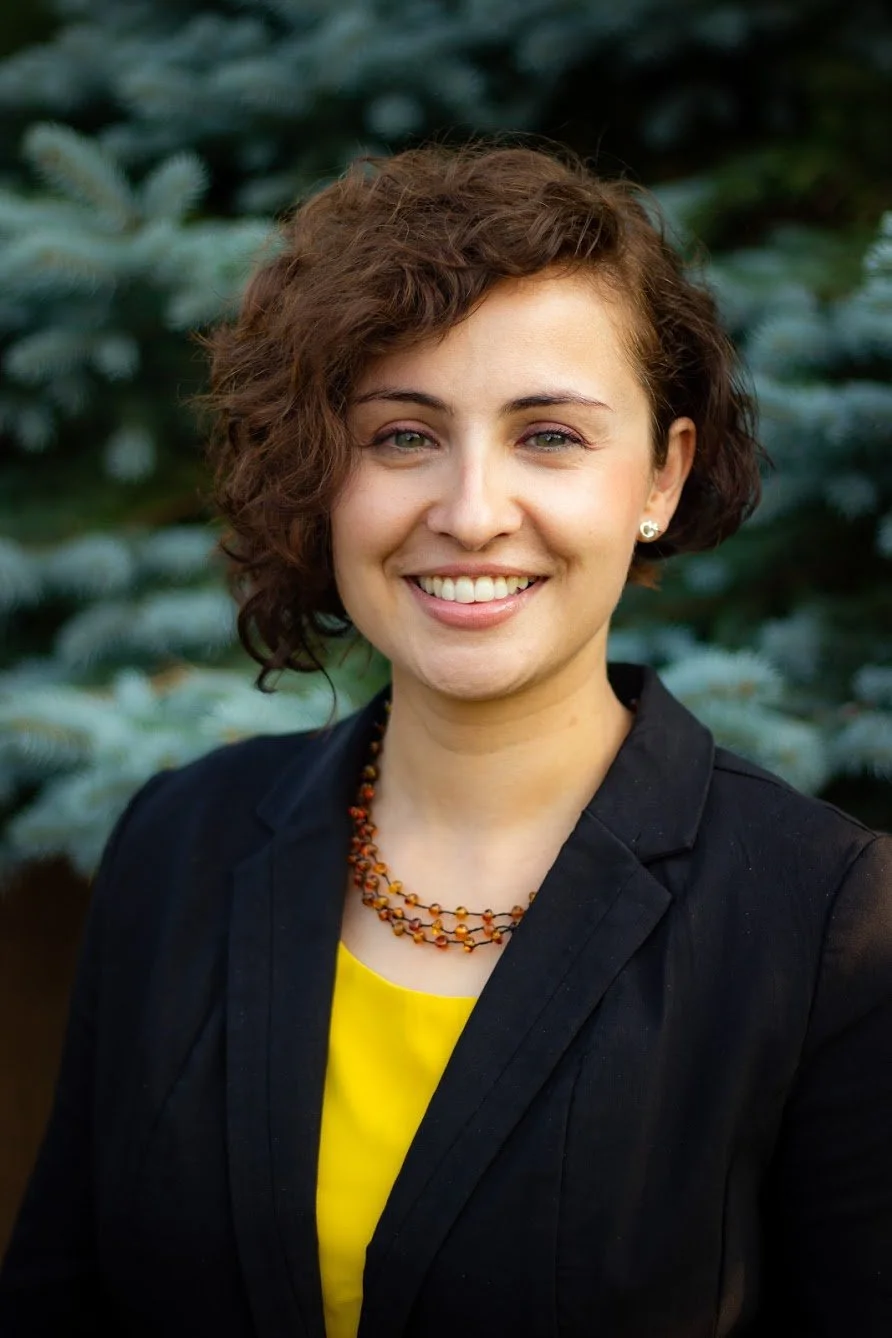
Lingua & Libretto was founded by Renée Anne Poulin, PhD, to work directly inside that gap.
Dr. Poulin holds a doctorate in Italian language and literature with a research focus on the early opera libretto, a PhD minor in musicology, and native French fluency. She has taught Italian and French at the university level across multiple institutions in the US and Canada, co-directed a study abroad program in Tuscany, and performed as a violinist in opera productions. That combination of linguistic, literary, musicological, and performance experience is what makes it possible to serve singers, programs, and productions at the level this work requires.
Bring focused Italian language and text work into your program
Institutional engagements are priced according to scope, duration, preparation requirements, delivery format, and the number of participants.
There is no fixed institutional price list because the needs of a guest studio class, a multi-session residency, and a production-specific engagement are different.
Use the inquiry form to tell me:
what kind of program or organization you represent
who the participants are
the repertoire, production, or curricular context
what you would like the engagement to accomplish
your preferred timeframe
any relevant budget or grant parameters
The form takes only a few minutes to complete.
Once the scope is clear, we can schedule a short conversation if needed and determine the most useful format for the engagement.